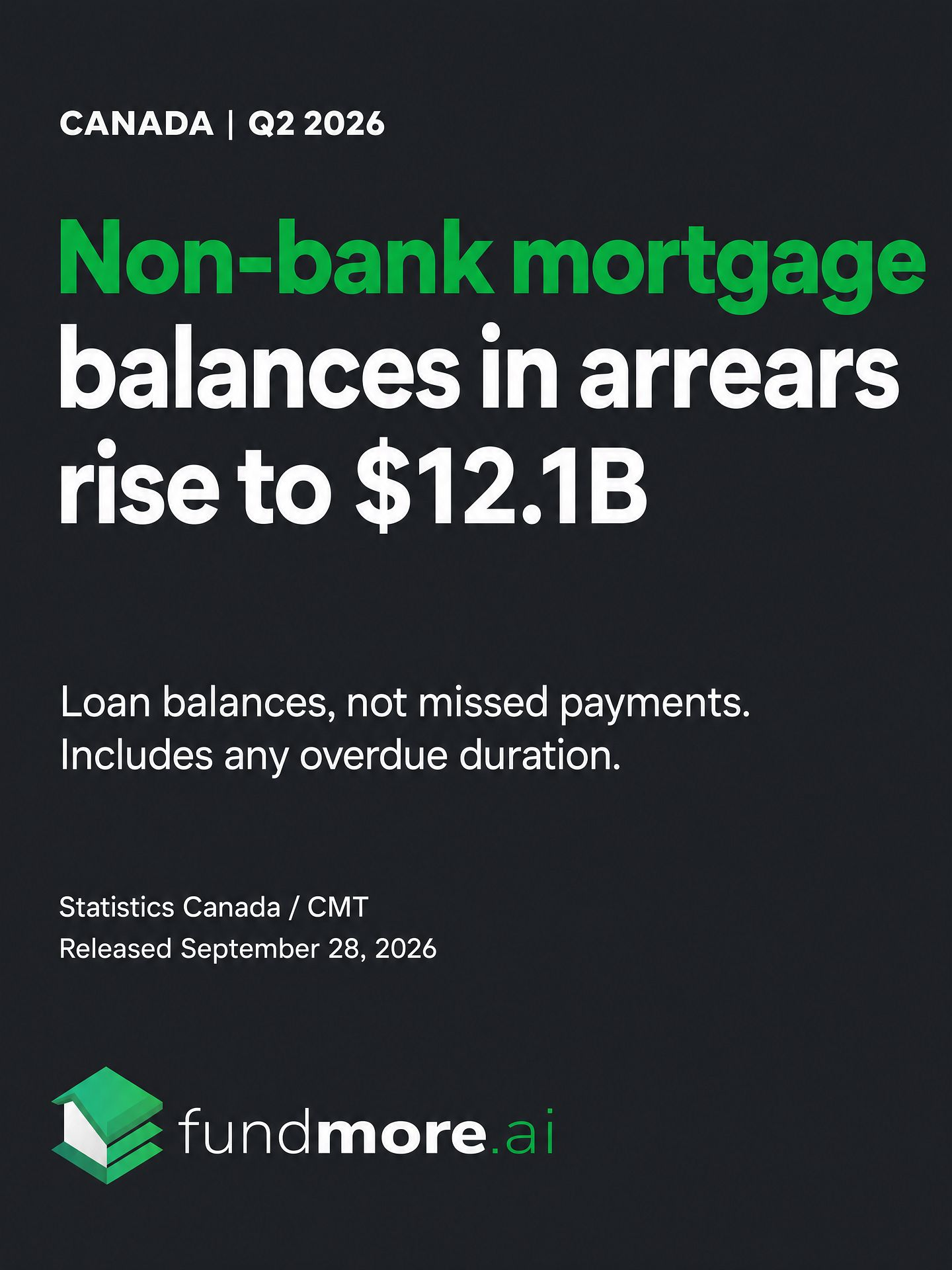
An arrears dashboard can look reassuring if you read only one column. This week's Canadian data are a reason to read the next one.
.png)
A stablecoin strategy needs more than a token and a launch date. It needs an answer to the awkward questions about reserves, capital, permissions, and who is accountable when something goes wrong.
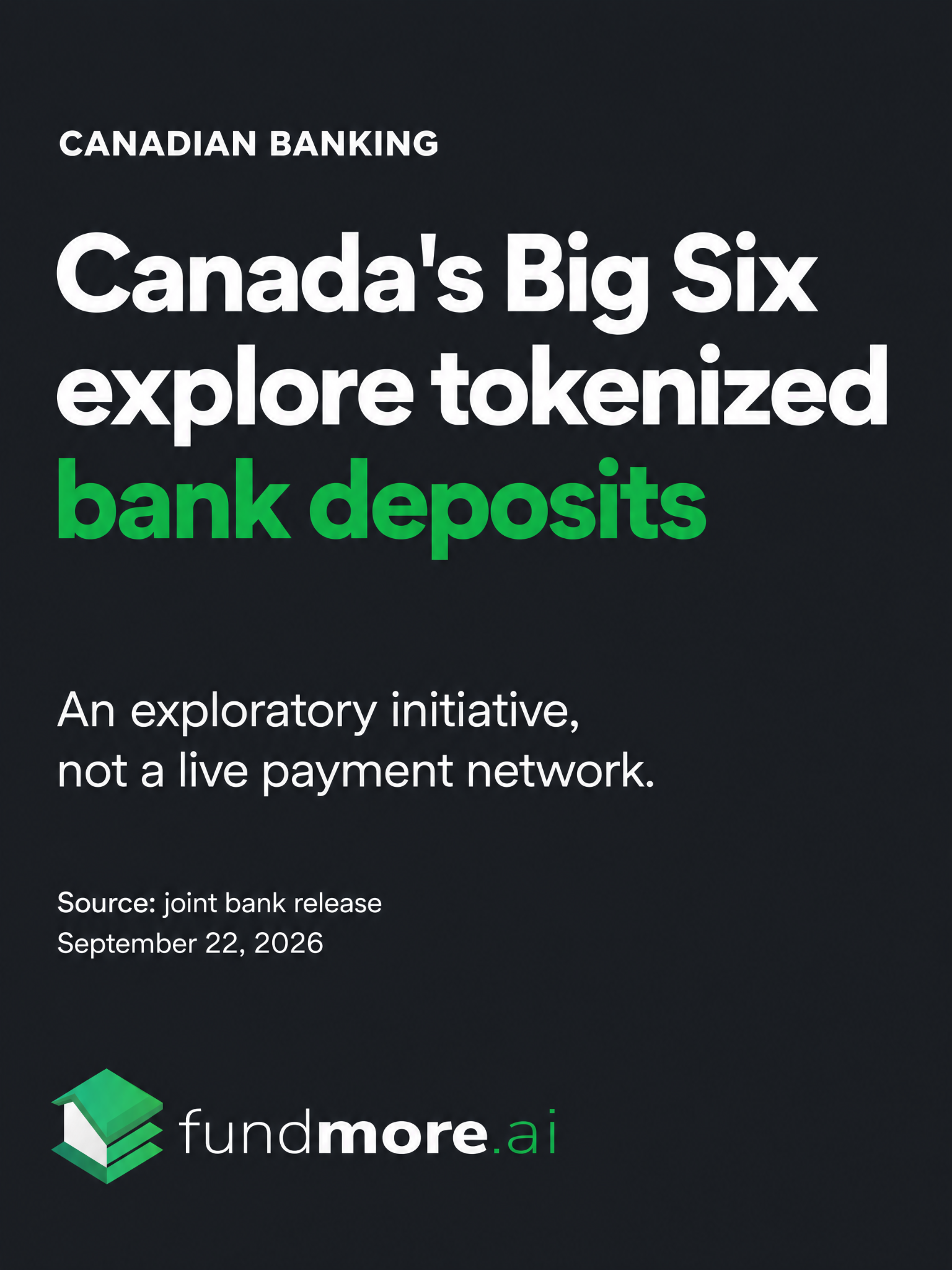
Six banks exploring a common approach to digital money deserve attention. It does not justify pretending the future has already shipped.
On September 9, Chime agreed to acquire Oklahoma-headquartered Stride Bank for $590 million in an all-cash deal at 1.5x tangible book, subject to OCC and Federal Reserve approval, closing in the first half of 2027. Stride will rebrand as Chime Bank NA. Chime says it expects more than $100 million in net synergies from sponsor-bank fee savings, expanded lending, and a lower cost of funds.
The decision
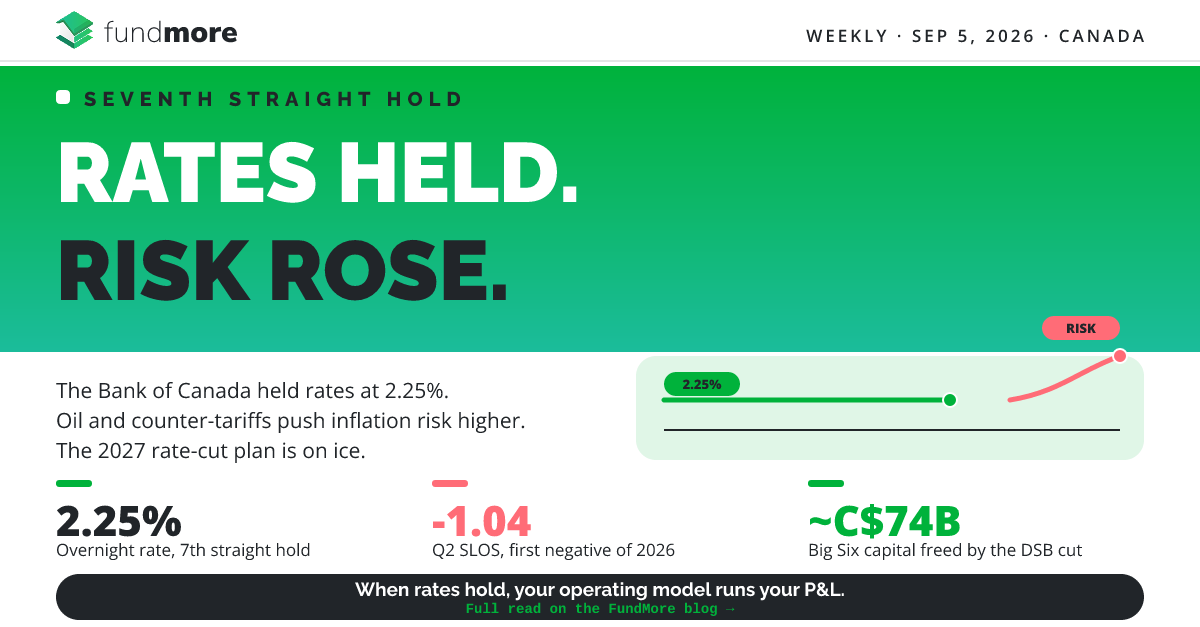
On September 3, 2026, the Bank of Canada held its target for the overnight rate at 2.25%, with the Bank Rate at 2.5% and the deposit rate at 2.20%. It was the seventh consecutive hold, extending a pause that started when the Bank cut to 2.25% in October 2025. Governor Tiff Macklem confirmed the July Monetary Policy Report call for a "broadening recovery" in the economy - but framed inflation as the risk moving fastest. "Oil prices are back up," Macklem told reporters in Ottawa. On tariffs, he was blunter: "The counter-tariffs, and indeed the US tariffs will add costs for some businesses. These tariffs are very steep, but they are applied to a relatively narrow base." The war in the Middle East, he added, is the "bigger issue" for inflation.