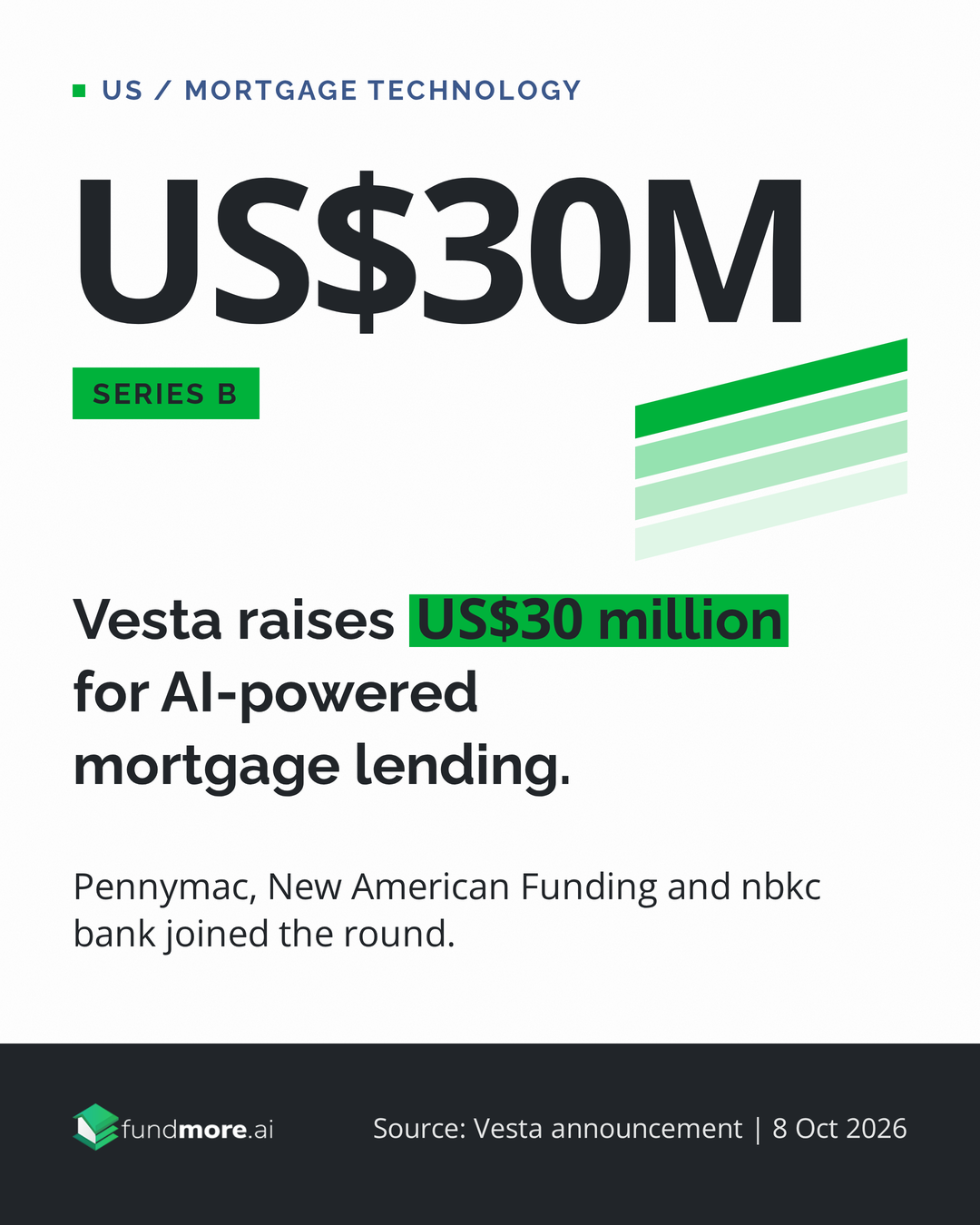
The funding headline is about AI. The most useful operating lesson is about what happened before the AI was switched on.
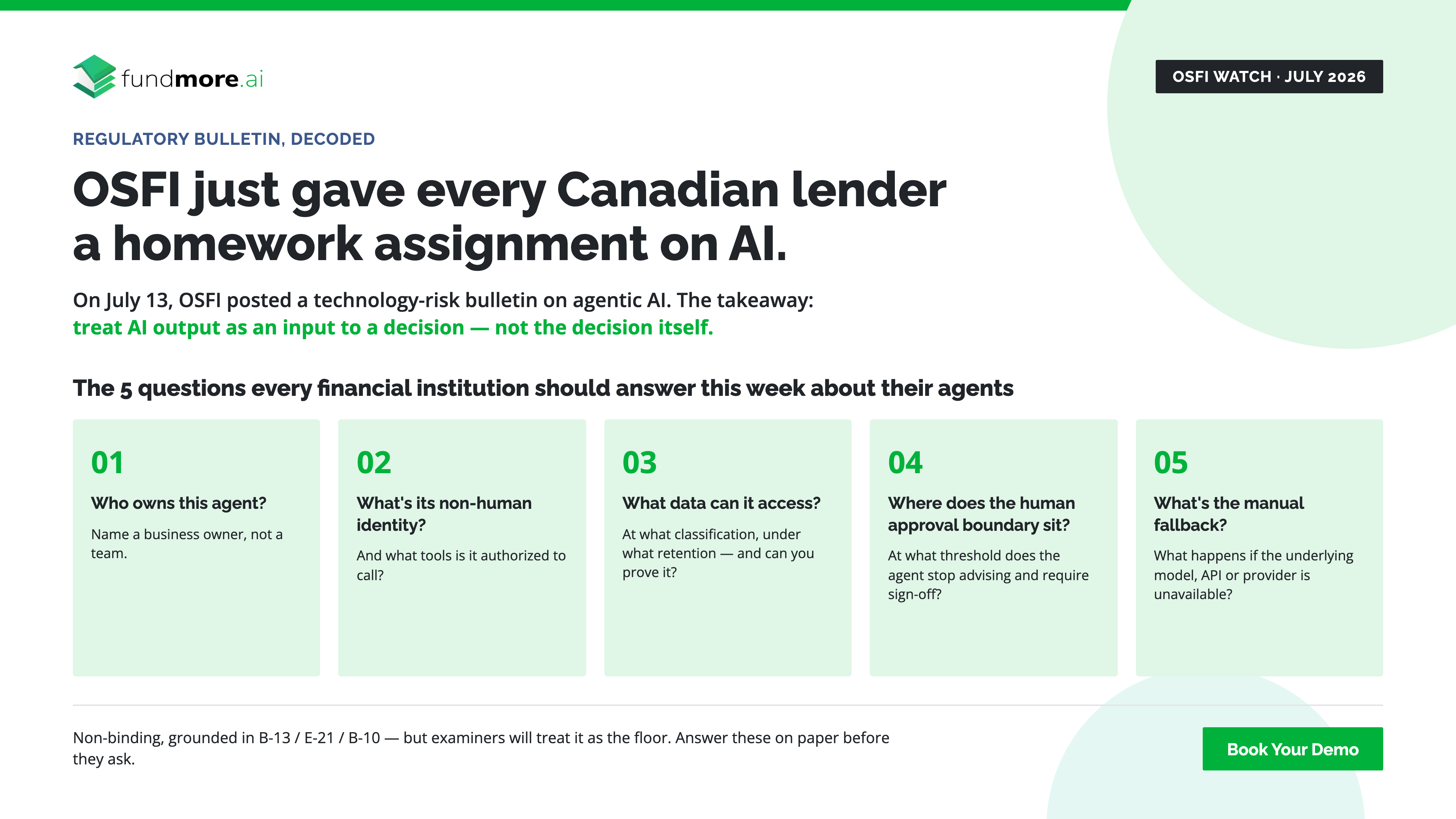
The polite version of a supervisory letter
On July 13, OSFI posted a technology-risk bulletin titled Generative and Agentic Artificial Intelligence: Implications for Technology, Cyber Security, and Operational Resilience. The regulator's messaging positions it as "sound practices" grounded in the existing B-13, E-21, and B-10 guidelines, and technically, that framing is correct; no new legal duty came into force that day. Practically, the bulletin reads like the polite Canadian version of a supervisory letter: here are the questions we are going to start asking; here are the answers we would like to hear.

As a CEO, your mornings set the tone for everything that follows. Mine used to start the same way every day: open Gmail, scan for fires. Switch to Slack, scroll through channels and DMs. Check Google Calendar. Open Jira. Glance at Notion. Pull up Granola to review yesterday’s meeting notes. By the time I’d pieced together a picture of what actually needed my attention, forty-five minutes had evaporated—and I hadn’t done a single productive thing yet.

As the mortgage industry enters a new era of automation, the traditional loan origination system faces extinction. The next generation of lending platforms won’t rely on screens and workflows; they’ll think, decide, and act autonomously.

Consumers increasingly trust AI to guide major life decisions, so the traditional mortgage point-of-sale (POS) is losing relevance. The next mortgage application will not begin on a website but in a conversation.