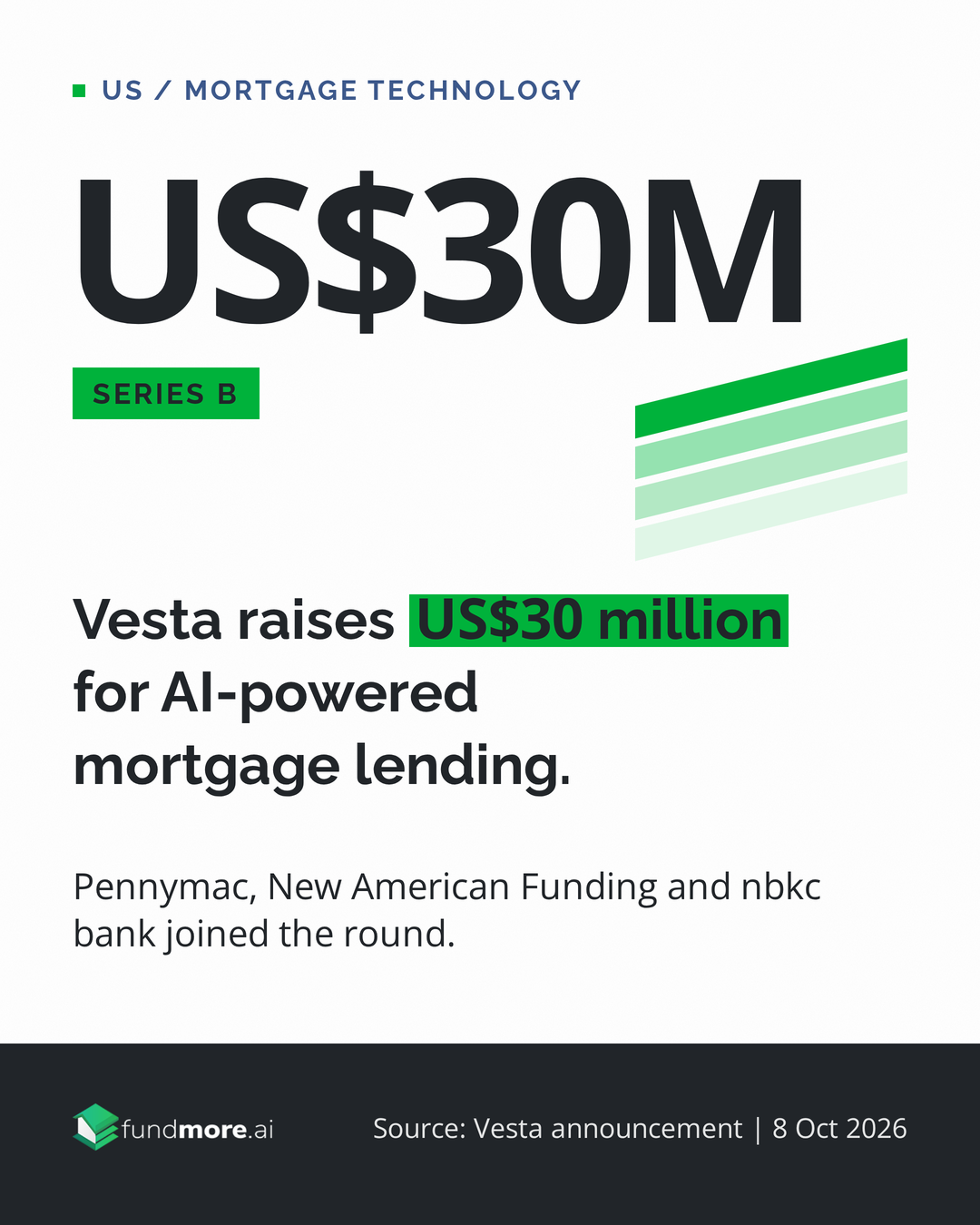
The funding headline is about AI. The most useful operating lesson is about what happened before the AI was switched on.
.png)
A more predictable capital calculation is useful. Mistaking it for permission to stop asking hard risk questions is not.
.jpg)
A fast lending decision can still end with a slow payment. For the customer waiting to use the money, that is not a technical distinction; it is the experience.
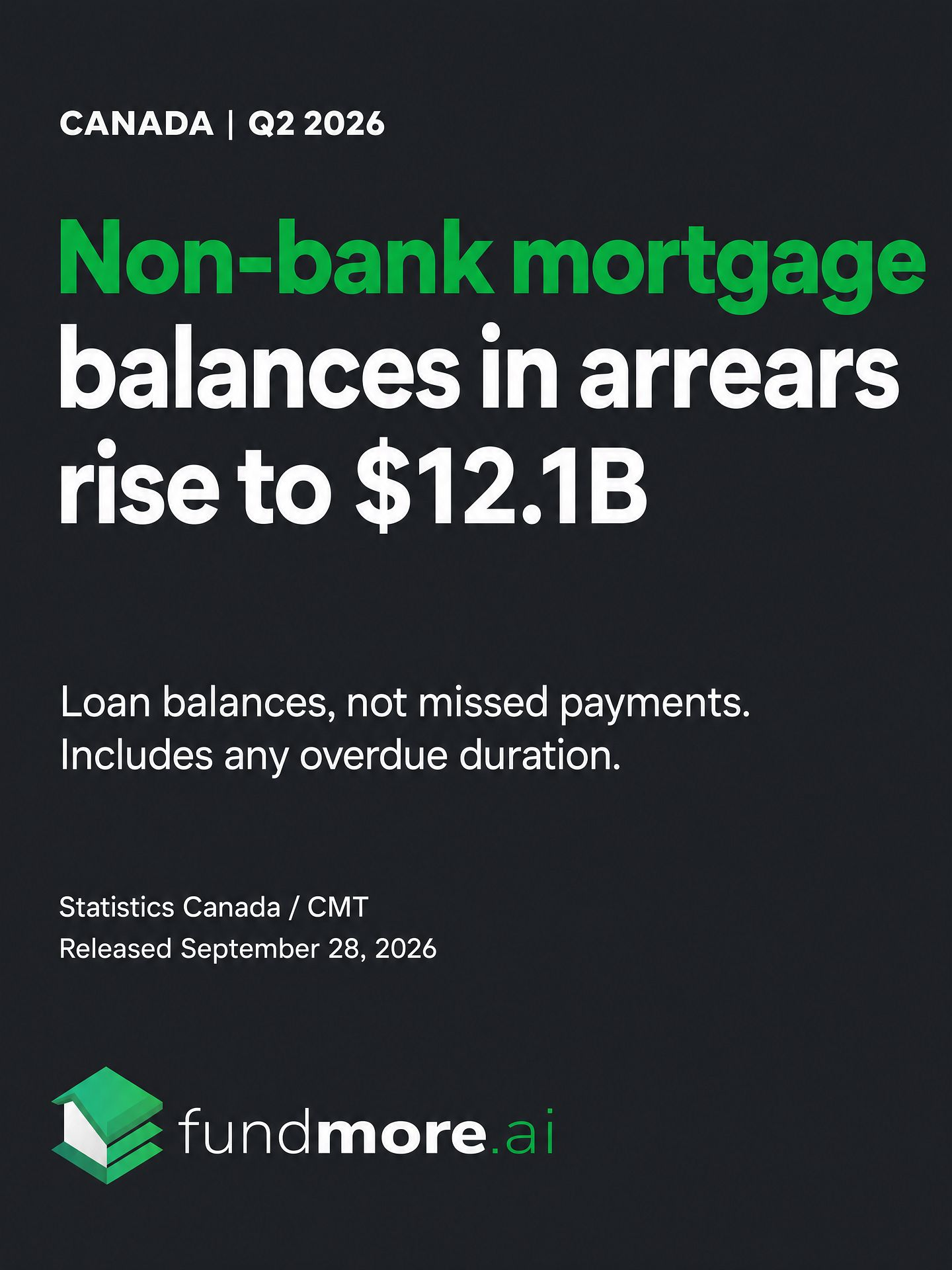
An arrears dashboard can look reassuring if you read only one column. This week's Canadian data are a reason to read the next one.
.png)
A stablecoin strategy needs more than a token and a launch date. It needs an answer to the awkward questions about reserves, capital, permissions, and who is accountable when something goes wrong.